
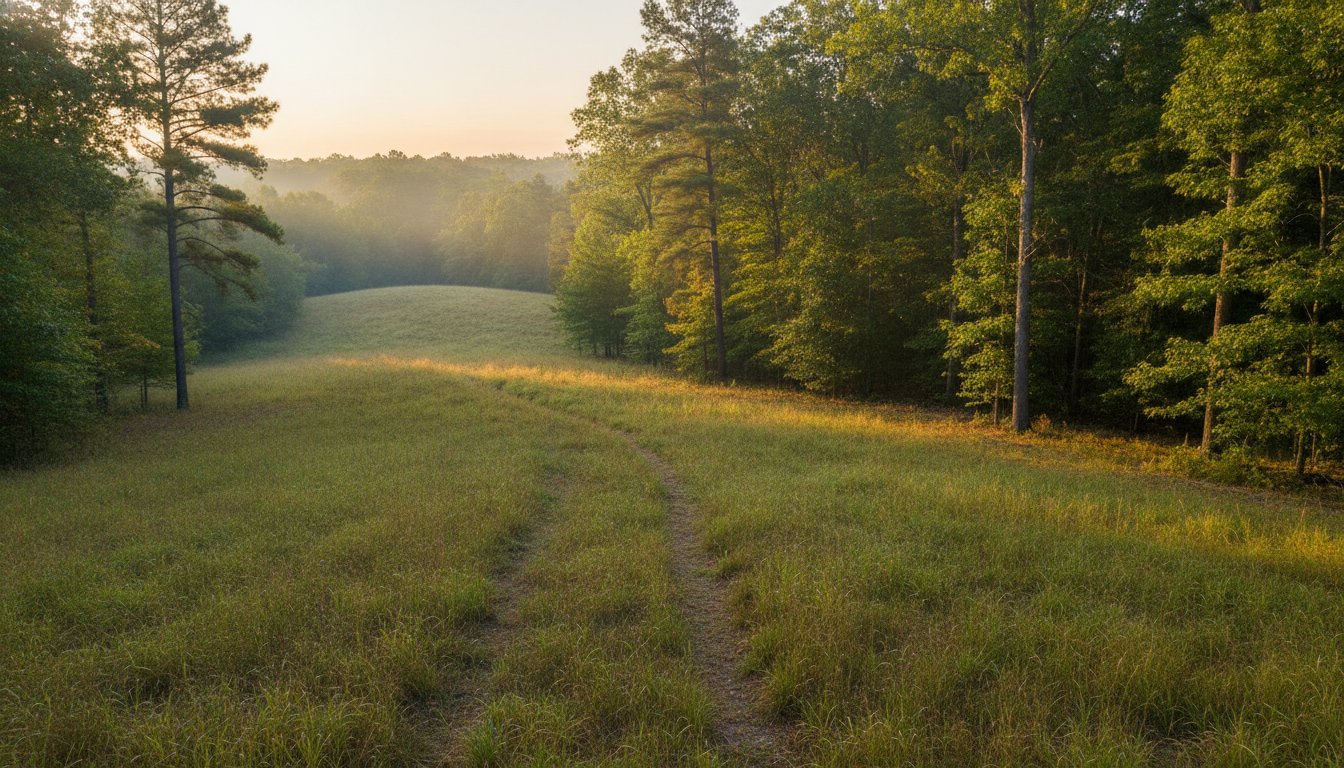
Why are you still paying a middleman thousands of dollars to find hunting land for sale when the best parcels are often hidden in plain sight? Most hunters dream of owning their own dirt. They hesitate because they fear buying a “dead” property with no game or getting tangled in legal access nightmares. You want a private spot to hunt and a solid asset to build equity. You don’t want a mountain of paperwork or high commissions that eat your down payment.
We understand that your time and capital are valuable. This 2026 practical guide cuts through the noise. It gives you a no-nonsense strategy for identifying and securing high-quality acreage. With interest rates for land loans currently ranging between 6.5% and 10%, every dollar counts. You will learn how to evaluate habitat, verify easements, and execute a direct transaction. This process keeps more money in your pocket. We provide the roadmap to go from scrolling listings to walking your own treeline. This guide covers the essential steps to identify productive ground, bypass traditional hurdles, and secure your legacy.
Key Takeaways
- Identify why undeveloped acreage offers the lowest entry price and highest potential for custom habitat management.
- Analyze topography and soil quality to spot natural game funnels and prime locations for future food plots.
- Leverage timber harvesting and land equity to offset property taxes and hedge against market volatility.
- Verify property boundaries and review historical aerial imagery to ensure you don’t buy a low-yield dead zone.
- Streamline your search for hunting land for sale by connecting directly with sellers on a specialized marketplace.
What Defines Quality Hunting Land for Sale?
Quality hunting land for sale isn’t just a patch of dirt in the woods. It’s undeveloped acreage optimized for specific wildlife management goals and recreational use. Buying vacant land is a tactical financial move. It offers a significantly lower entry price than tracts with existing cabins or structures. You aren’t paying for someone else’s outdated porch or failing septic system. You are paying for the raw potential of the ecosystem. Your primary goal is securing a parcel with high carrying capacity. This ensures the land can actually support the game you intend to hunt.
Public land is crowded and unpredictable. Private ownership provides exclusive access and absolute control over the environment. You decide who enters and how the land is pressured. This privacy isn’t a luxury; it’s a requirement for consistent results. When you own the dirt, you manage the pressure. This leads to older, larger game and a more relaxing experience for you and your family.
The Three Pillars of Productive Hunting Ground
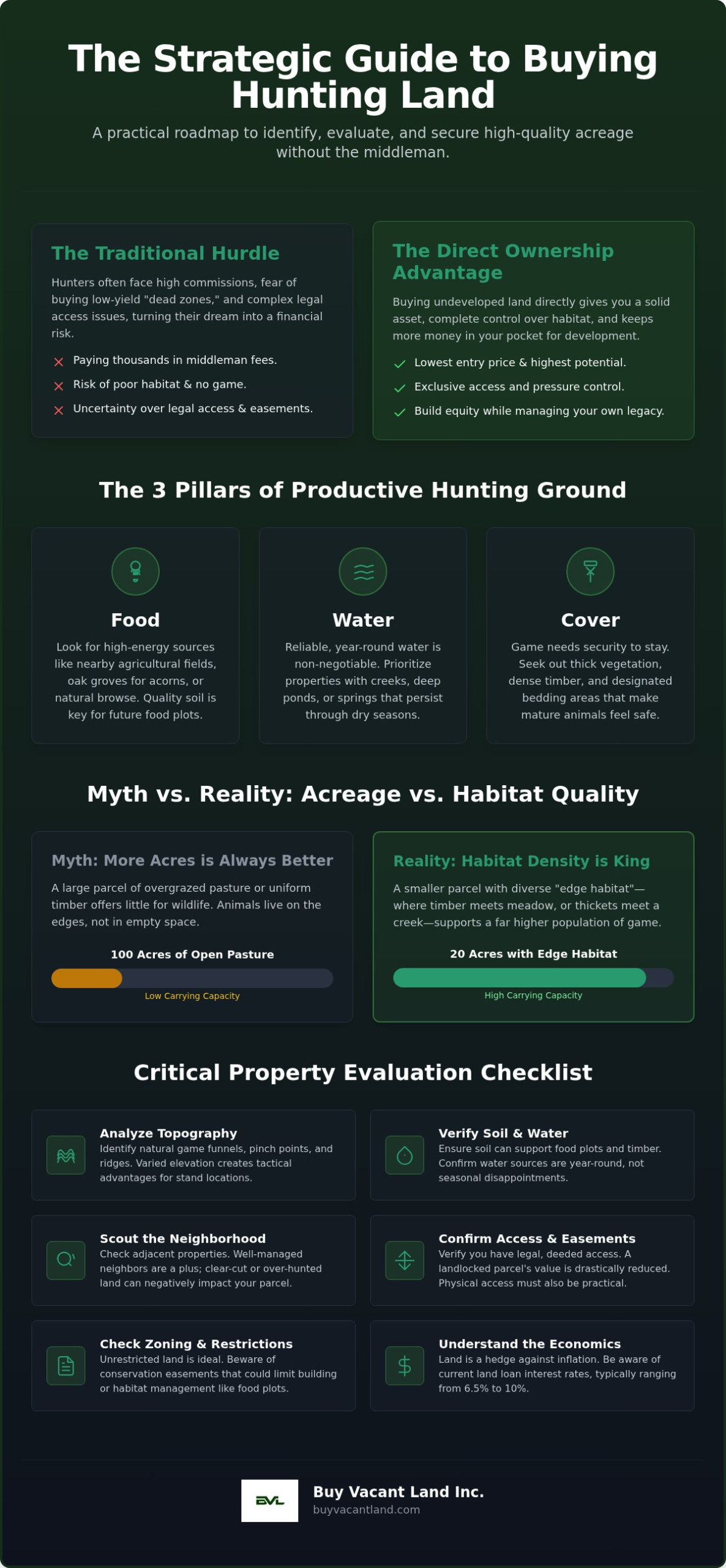
Productive ground relies on three non-negotiable elements. If one is missing, your game will move to the neighbor’s property. Focus on these features during your evaluation:
- Food: Your land needs proximity to high-energy sources. Look for agricultural fields or natural browse like acorns and native grasses.
- Water: Reliable sources are essential for survival. Look for year-round creeks, ponds, or areas with high water tables that stay wet during dry seasons.
- Cover: Animals need to feel safe to stay put. Thick vegetation and designated bedding areas provide the security required to keep mature game on your property.
Acreage vs. Habitat Quality
Don’t get blinded by total acreage numbers. A 20-acre parcel with dense cover and a creek beats 100 acres of open, overgrazed pasture every time. Animals don’t thrive in the middle of a flat, empty field. They live on the edges. Focus on “edge habitat” where different ecosystems meet, such as the line where timber transitions into a meadow. These zones offer the highest diversity of food and security. Carrying capacity is the maximum wildlife population a parcel can support. Prioritize high-density features over sprawling, empty space. This efficiency ensures your investment in hunting land for sale actually yields the recreational value you expect.
Evaluating Hunting Property: Critical Tactical Features
Analyze the terrain before you walk the boundaries. Topography dictates how animals move. You want to identify natural pinch points and funnels where deer are forced through narrow corridors. These are your primary stand locations. Use a guide to improving wildlife habitat to help you visualize how a ridge or a steep ravine can be manipulated to control game movement. High-quality hunting land for sale often features varied elevation that creates these tactical advantages.
Check the dirt and the water. Soil quality determines the success of your future food plots and the long-term value of your timber. Poor soil leads to stunted growth and wasted money on fertilizer. Similarly, a seasonal creek that dries up in July is useless during the early season. You need year-round water sources like springs or deep ponds to sustain a resident population. Don’t assume a blue line on a map is a flowing stream. Verify it in person during the dry months.
Look at the neighboring tracts. If the adjacent properties are clear-cut or over-hunted, your parcel will suffer. You want to be the “safe zone” in a neighborhood of managed properties. If you are looking for high-potential tracts at low costs, search for cheap land for sale to find undervalued acreage. Finding hunting land for sale in an area where neighbors value wildlife management will protect your investment.
Access and Easement Realities
Don’t buy a parcel you can’t reach. Legal access means you have a recorded right to get to the property. Physical access means you can actually drive a truck onto it. They aren’t the same. Avoid landlocked parcels unless you enjoy expensive legal battles. Look for deeded easements that are clearly defined in the title. A vague “handshake deal” with a neighbor won’t hold up in court and will destroy your land value when you try to sell. You can browse verified listings to see parcels with established access.
Zoning and Land Use Restrictions
Check the fine print before you sign. Conservation easements might prevent you from clearing a spot for a cabin or a food plot. Unrestricted land is often the best choice for hunters because it gives you the freedom to manage the habitat as you see fit. Verify local hunting regulations and season structures for the specific county. Some areas have restricted tags or specific weapon seasons that might not align with your goals. Always confirm that the land use matches your vision for the property.
The Economics of Buying Hunting Land
Investing in hunting land for sale is a strategic move for your financial portfolio. Land is a finite resource. It acts as a resilient hedge against inflation and stock market volatility. Unlike residential properties, raw land requires minimal maintenance and has lower holding costs. You aren’t just buying a place to hunt. You are securing a tangible asset that historically appreciates over time. Ownership provides peace of mind that a volatile stock market cannot offer.
Periodic cash flow is possible through sustainable timber harvesting. A professional timber cruise can identify the standing value of your woods. This income helps you offset annual property taxes, which currently average 0.99% nationally in 2026. Many states offer agricultural or timber tax exemptions for recreational tracts. These programs drastically reduce your tax burden if you meet specific management criteria. Buying direct from a seller eliminates the high commissions associated with traditional real estate agents. This transparency ensures your capital goes toward the land itself, not a middleman’s fee.
Owner Financing for Hunting Parcels
Traditional lenders often view raw land as high-risk. They typically require down payments between 30% and 50% for unimproved tracts. Choosing owner financed land allows you to bypass these strict bank hurdles. Sellers of hunting land for sale are often willing to negotiate flexible terms because they want a swift transaction. You can secure a parcel with a lower down payment and a significantly faster closing process. Most agreements include a fixed interest rate and a defined balloon payment schedule. This bank-free approach simplifies the purchase and puts you in control of the timeline.
Valuing Raw Land Without the Fluff
Determine a fair price by analyzing comparable sales in the immediate area. Don’t pay for emotional value or “potential” that isn’t backed by data. High road frontage increases accessibility but can also lead to more trespassing and noise from passing vehicles. Proximity to existing utilities adds value if you plan to build a cabin later, but it also raises the initial cost. Look for “under-priced” land that has poor current habitat but good soil and topography. You can build significant equity by performing simple habitat improvements like clearing trails or planting food plots. Focus on the price per acre and the raw characteristics of the dirt rather than the marketing description.
Due Diligence: Avoiding the “Dead Zone” Property
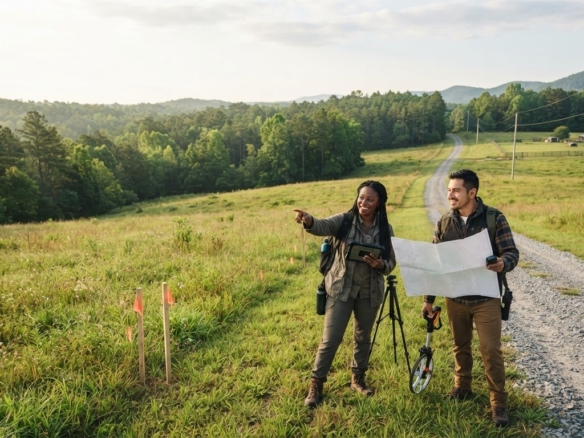
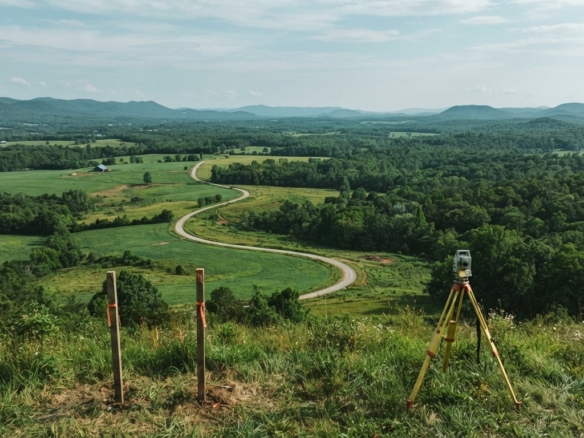
Don’t skip the homework. A “dead zone” is a property that looks good on paper but lacks game or has legal baggage. Start with a boundary check. Walk the perimeter to ensure neighbors haven’t built fences or structures on your potential land. Encroachments are common because of old, inaccurate surveys or outdated handshake deals between previous owners. These issues are expensive to fix later and can delay your closing for months. You must also verify there are no hidden liens or back taxes. You don’t want to inherit someone else’s debt just as you’re trying to secure a fresh start. Consult the beginner’s guide on how to buy land for a full closing checklist to keep your transaction clean.
Review historical aerial imagery to track habitat changes over 10 or 20 years. This helps you see if a once-dense forest was clear-cut or if a swamp is expanding. You need to know how the land behaves in every season, not just the day you visit. Investigate mineral and water rights to ensure they convey with the sale. If these don’t convey, a third party could potentially drill or mine on your property in the future. This ruins the privacy you are paying for. Finding quality hunting land for sale requires looking past the surface level.
The Virtual Scouting Process
Use GIS mapping tools to identify terrain features before you travel. These tools highlight saddles, benches, and funnels that aren’t visible from the road. Check flood zone maps and soil drainage reports carefully. A parcel that stays underwater every spring won’t support the food plots you need for a successful season. Identify nearby public land on your map. Proximity to massive state parks might seem like a bonus, but it often brings excessive hunting pressure and trespassing issues to your borders. You want to be the sanctuary, not the overflow lot for public hunters.
Physical On-Site Inspection
Get on the ground to look for actual sign. Find tracks, rubs, scrapes, and established game trails. This confirms a resident population exists and isn’t just passing through from a neighboring tract. Evaluate timber health and identify invasive species like the emerald ash borer that could kill off your cover and lower your land value. Test your cell signal at various points on the property. If you plan to build a cabin, check for level ground and proper drainage away from the site. Verify the water table depth if you plan to drill a well. This is your chance to verify the hunting land for sale actually matches the listing description. You can view vacant parcels for sale right now to start your hands-on evaluation.
Finding Your Ground on BuyVacantLand.com
Efficiency saves you time and capital. BuyVacantLand.com is a specialized marketplace designed for one purpose: connecting you with raw land. You won’t find single-family homes, suburban rentals, or commercial buildings here. Our focus is exclusively on vacant parcels, including high-potential hunting land for sale across the country. This specialization removes the clutter that plagues traditional real estate sites. You get straight to the inventory that matters. We believe your search should be as streamlined as the transaction itself.
We provide a direct seller-to-buyer connection. By cutting out the middleman, you eliminate high commissions and unnecessary procedural delays. You deal directly with the people who own the dirt. This transparency allows for faster negotiations and more flexible terms. Whether you’re looking for off-grid tracts, owner-financed parcels, or completely undeveloped raw land, our platform simplifies the discovery process. We host a national inventory, giving you access to properties from coast to coast without leaving your desk. This is the most direct path to securing your private ground.
Why a Specialized Marketplace Matters
Searching for hunting land for sale shouldn’t feel like a chore. Most general real estate platforms are built for residential buyers. They bury vacant land under thousands of house listings. Our listings are pragmatic and data-driven. We provide the essential facts you need to make a decision, such as acreage, topography, and access details. This streamlined path from discovery to closing reduces the stress of asset ownership. You get the relief of a swift transaction and the peace of mind that comes from a reliable, no-nonsense service. We focus on the dirt so you don’t have to sift through the noise.
Start Your Search Today
Take control of your recreational future now. You can browse our latest land for sale in the USA to see what’s currently available. Use our filters to narrow down results by price, size, and specific financing options. This targeted approach ensures you only spend time on properties that fit your budget and goals. Private land is a long-term equity play that provides immediate enjoyment. Don’t wait for the market to become more crowded. Secure your private hunting spot today and start building your legacy on your own terms.
Secure Your Private Hunting Ground Today
Owning a private tract is the most reliable way to guarantee exclusive access and managed hunting pressure. Prioritize habitat quality and carrying capacity over total acreage to ensure consistent results every season. By targeting raw acreage and utilizing direct transactions, you avoid the high costs of developed tracts and traditional agent commissions. These pragmatic steps transform your search for hunting land for sale into a successful acquisition of a tangible financial asset.
We simplify the discovery process through our direct seller-to-buyer marketplace. Our platform focuses exclusively on vacant land, removing the distraction of residential listings. You can browse national listings across the United States and connect with owners immediately. This streamlined approach saves you time and keeps more capital in your pocket. Take the first step toward building your land equity and securing your legacy today. Find your next hunting property on BuyVacantLand.com. You’ve done the research; now it’s time to walk the dirt.
Frequently Asked Questions
Is buying hunting land a good investment in 2026?
Buying hunting land is a resilient investment in 2026 because it acts as a hedge against inflation and stock market volatility. Land is a finite asset that historically appreciates over time. You can generate periodic cash flow through timber harvesting or agricultural leases. Unlike residential properties, raw land has lower holding costs and minimal maintenance requirements. It provides both recreational value and long term financial equity for your portfolio. This makes it a secure choice for asset growth.
What is the minimum acreage needed for a productive hunting property?
Habitat quality is more important than total acreage. A 20 acre parcel with dense cover, water, and food sources can be more productive than 100 acres of open pasture. You need enough space to manage game movement without over-pressuring the resident population. Small tracts are easier to maintain and require less capital. Focus on finding hunting land for sale that features natural pinch points and diverse edge habitat to maximize your success per acre.
How do I find out who owns a piece of vacant land?
You can identify a land owner by searching the county tax assessor’s records or using local GIS mapping tools. Most counties provide online databases where you can search by parcel ID or address. These records list the current owner of record and their mailing address. If the information isn’t online, you must visit the county clerk’s office in person. Specialized marketplaces like BuyVacantLand.com simplify this by connecting you directly with sellers in a transparent environment.
Can I get a loan for raw hunting land?
You can secure a loan for raw land, but lenders typically require higher down payments of 30% to 50%. Interest rates for land loans in 2026 generally range from 6.5% to 10% depending on your credit. Traditional banks view unimproved land as higher risk than homes. Many buyers prefer owner financing because it bypasses strict bank requirements and offers faster closing. Always check for USDA Farm Service Agency loans if you qualify for agricultural programs.
What are the most important things to look for on a hunting land survey?
Focus on recorded boundaries and deeded easements during your survey review. You must verify exactly where your property lines sit to avoid legal disputes with neighbors. Look for any existing encroachments like fences or sheds that cross onto the parcel. Deeded easements are critical because they define your legal right to access the land. A professional survey ensures you aren’t buying a landlocked property. This document is your primary defense against future title or access issues.
Does hunting land require specific insurance?
You should carry a specialized vacant land liability policy to protect yourself from accidents on the property. This is especially important if you allow guests or lease the land to other hunters. Standard homeowners insurance rarely covers incidents on unimproved acreage located away from your primary residence. These policies are generally affordable and provide protection against trespasser injuries or hunting related accidents. Always consult an insurance agent who understands the specific risks associated with recreational land ownership.
What is the difference between unrestricted land and recreational land?
Unrestricted land has few to no zoning limitations or building codes imposed by the county. This gives you the freedom to clear timber, plant food plots, or build a cabin without heavy oversight. Recreational land is a broad category used to describe property intended for outdoor use like hunting or hiking. While all unrestricted land can be used for recreation, not all recreational land is unrestricted. Always verify local ordinances before you finalize any hunting land for sale transaction.
How do I handle trespassing issues on my new hunting property?
Start by clearly marking your boundaries with “No Trespassing” signs or purple paint according to state laws. Installing cellular trail cameras helps you monitor activity in real time without being on site. Building a good relationship with neighboring owners is the most effective way to prevent unauthorized access. Most trespassing is unintentional and results from poorly marked lines. If the problem persists, document the evidence and contact local law enforcement immediately to protect your private hunting investment.


Join The Discussion