

The cheapest land you ever buy could become your most expensive mistake if you ignore what’s hiding in the dirt. You want a clean slate for your new build. You don’t want a million dollar cleanup bill. Most buyers feel a knot in their stomach when checking for environmental hazards on property. It’s a valid concern. Under CERCLA laws, you can be held responsible for contamination you didn’t cause just because you own the deed.
You can avoid this nightmare with the right due diligence. This 2026 guide simplifies the process of identifying hidden liabilities before you close the deal. We’ll explain the current ASTM E1527-21 standards and why PFAS contamination is now a critical factor for 176 million Americans. You’ll get a clear checklist to help you decide when to perform a simple site walk and when to pay for a professional assessment. Gain the confidence to walk away from a “lemon” and secure a safe, reliable asset. Learn how to protect your investment and your future today.
Key Takeaways
- Understand your liability under CERCLA law. Federal regulations can hold you responsible for expensive cleanup costs even if you didn’t cause the contamination.
- Identify common risks like soil contamination and hidden underground storage tanks. Learn to spot signs of past industrial or intensive agricultural use on undeveloped land.
- Know the difference between Phase I and Phase II assessments when checking for environmental hazards on property. Determine exactly when you need professional sampling versus simple research.
- Use free public tools like the EPA’s cleanup maps and historical USGS topographical data. These resources reveal a property’s history and proximity to known Superfund sites.
- Protect your investment with an environmental contingency in your purchase agreement. Use your findings to negotiate a better price or exit the deal safely.
Why Environmental Due Diligence is Non-Negotiable for Vacant Land
Environmental due diligence is the process of evaluating a property for potential contamination. It is not an optional step for a smart buyer. It is a shield against financial ruin. When you are checking for environmental hazards on property, you are looking for more than just physical pollution. You are looking for legal and financial liabilities that can destroy your investment. Neglecting this step can turn a “cheap” parcel into a lifelong debt.
Federal law under the Comprehensive Environmental Response, Compensation, and Liability Act (CERCLA) is strict. It imposes liability on current owners regardless of who caused the damage. This means you can be held responsible for cleaning up a mess you didn’t make. If the EPA identifies hazardous substances on your land, they will send you the bill. These costs often exceed the total value of cheap vacant lots. Without a proper check, you inherit every past mistake made on that dirt.
The Innocent Landowner Defense (CERCLA)
You can protect yourself from federal liability through the “Innocent Landowner Defense.” To qualify, you must perform “All Appropriate Inquiries” (AAI) before you buy the property. This process requires a professional Phase I Environmental Site Assessment to investigate the land’s history and current condition. All Appropriate Inquiries is the gold standard for legal protection in land sales. You must complete this due diligence before the date of acquisition to qualify for liability protections. As of 2026, the recognized standard for these assessments is ASTM E1527-21.
Impact on Financing and Future Resale
Banks are not in the business of taking risks on contaminated dirt. Lenders almost always require environmental checks before they approve a land loan. They view environmental hazards as a massive risk to their collateral. If the land is contaminated, it is worthless as security for a loan. Even if you pay cash now, you must consider your future exit strategy. Future buyers will perform their own checks. Don’t get stuck with a permanent liability that no one else will touch.
Discovering hazards after closing can render a property completely unbuildable. Zoning boards and building departments will not issue permits for contaminated sites until they are remediated. This process is slow and expensive. You could end up paying taxes on a property you can never use. Checking for environmental hazards on property ensures your land remains an asset rather than a burden. Always verify the ground is clean before you sign the deed.
Common Environmental Hazards Found on Undeveloped Property
Raw land is rarely a blank slate. Checking for environmental hazards on property requires a different strategy than inspecting a residential home. You won’t find asbestos or lead paint in the woods. Instead, you face industrial residues, illegal dumping, and natural gases like methane or radon. Remote parcels are frequent targets for the illegal disposal of tires, hazardous chemicals, and construction debris. These hidden burdens can halt your project before the first shovel hits the ground. In 2026, you must also consider PFAS contamination. These “forever chemicals” now affect thousands of sites across the country and carry significant liability implications.
Agricultural Chemical Runoff and Soil Health
Old orchards and intensive farms often leave a toxic legacy. Pesticides used decades ago can result in high levels of arsenic or lead in the soil. These substances don’t just disappear. They linger for generations. If your plan involves a well, nitrate contamination in the groundwater is a serious risk. Scan the property for “stressed vegetation” during your initial walk. Patches of dead, yellowed, or stunted plants often signal high soil toxicity or chemical saturation. Healthy land should show consistent growth patterns across the entire parcel.
Underground Storage Tanks (USTs) and Old Wells
Hidden tanks from old farmsteads or defunct gas stations are ticking time bombs. A leaking tank can contaminate soil and groundwater for miles. Abandoned wells are equally dangerous. They act as physical hazards and direct conduits for surface pollution to reach deep aquifers. Look for vent pipes sticking out of the ground or unusual circular depressions during your site visit. Compliance with the EPA’s All Appropriate Inquiries rule is your best defense against these legacy issues. It establishes the baseline for your legal protection.
Wetlands and Protected Habitats
Wetlands aren’t toxic, but they are a massive regulatory hazard for any builder. Federal and state laws strictly prohibit building on or filling in these areas without expensive permits that are often denied. Discovering a wetland after purchase can make your land completely unbuildable and worthless. Watch for “obligate” wetland plants like cattails, willows, or rushes as an early warning sign. Soil that feels spongy or looks darker than surrounding areas also indicates a high water table. When you browse undeveloped vacant land for sale, always keep these physical indicators in mind to avoid a bad investment. Identifying these risks early saves you from a permanent financial liability.
Identifying Risks: Phase I vs. Phase II Environmental Site Assessments
Most land deals rely on two levels of scrutiny to ensure safety. A Phase I Environmental Site Assessment (ESA) is your first line of defense. It is a non-invasive, research-based report. An environmental professional investigates the history of the land without digging a single hole. For most small-scale buyers, this is where the process ends. It satisfies the legal requirements for “All Appropriate Inquiries.” This report identifies if the property is a safe asset or a potential liability. It gives you the certainty needed to move toward a closing.
What Happens During a Phase I ESA?
The professional starts with a deep dive into the past. They review historical aerial photographs and chain-of-title records. They look for old factories, gas stations, or intensive agricultural operations. They interview past owners and neighbors to uncover unrecorded land uses. Finally, they conduct a visual site inspection. They search for “Recognized Environmental Conditions” (RECs). RECs are the presence or likely presence of hazardous substances on the property. As of June 2026, these reports are more detailed than ever. Expiring TSCA Confidential Business Information claims now allow professionals to see chemical data that was previously hidden from public view.
When to Trigger a Phase II Investigation
You only move to Phase II if the Phase I report identifies a specific REC. Checking for environmental hazards on property becomes more invasive and expensive at this stage. A Phase II assessment involves actual sampling of soil, air, or groundwater to confirm if contamination exists. In 2026, national industry averages for a Phase II range from $4,000 to $12,000. Complex sites with extensive contamination or multiple sampling points can see costs reach $100,000 or more. The price depends on the number of samples and the specific contaminants being tested.
Laboratory testing is the primary driver of these costs. Technicians test for specific toxins like lead, arsenic, or the 9,728 known sites of PFAS contamination. If the Phase I report shows red flags, use that data as leverage. Negotiate with the seller to cover the Phase II costs before you commit further. Do not pay for expensive sampling yourself if the risk is high. If the seller refuses to test a suspect REC, walk away. Your goal is a clean, buildable property. Protect your capital and your timeline. Only proceed when the lab data proves the land is safe for your intended use. This certainty is the only way to ensure a swift, assured transaction.
The DIY Hazard Checklist: Public Records and On-Site Signs
Checking for environmental hazards on property starts with your own research. You don’t need a professional to begin the screening process. Speed is essential in land deals. Use free public tools to identify red flags before you spend money on a Phase I assessment. This DIY approach saves time and protects your capital. It gives you the leverage to walk away from a bad deal early. You can perform a preliminary audit from your desk in minutes.
Navigating EPA and State Databases
Start with the EPA’s “Cleanups in My Community” map tool. This resource shows every Superfund site and cleanup project within a specific radius of your land. As of March 2026, the EPA reports that approximately 100 of the 157 federal Superfund sites are in areas vulnerable to flooding or storm surges. If your target land is near one of these, the risk of contamination migration is high. Follow these steps for a digital screening:
- EPA ECHO Database: Search for the property address to find open enforcement actions or environmental liens.
- USGS Topographical Maps: Review historical maps to identify past land uses like old factories, scrapyards, or intensive orchards.
- State DEQ Records: Check your state’s Department of Environmental Quality for registered underground storage tanks or reported leaks.
- Brownfield Maps: Look for “Brownfield” designations. These sites may offer tax incentives for cleanup, potentially turning a liability into an opportunity.
PFAS contamination is another critical factor. As of March 5, 2026, there are 9,728 known sites of PFAS contamination across all 50 states. Use public maps to see if your property sits near these zones. If it does, you must prioritize groundwater testing.
Physical Red Flags During a Site Visit
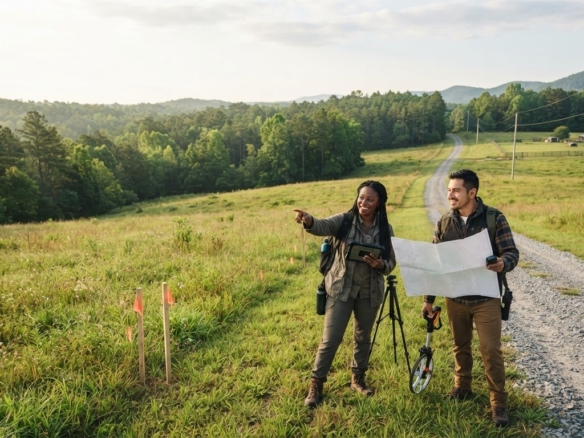
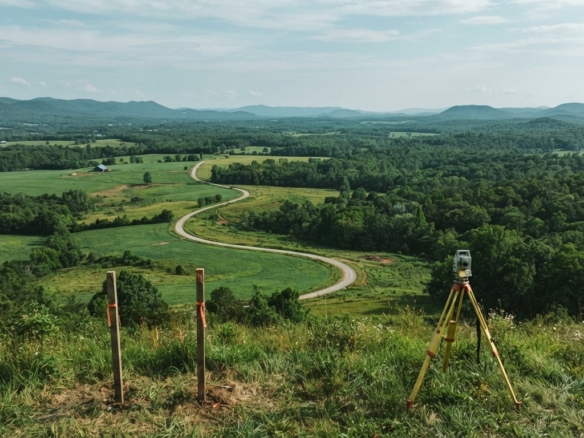
Conduct a thorough walk-through of every acre. Get your boots on the ground. Look for a rainbow-colored “sheen” on standing water. This usually indicates petroleum contamination. Identify areas where nothing grows or where the soil is unnaturally discolored. These are clear signs of chemical saturation. Watch for mounds of dirt or debris that look out of place. These suggest buried trash or hazardous waste. You also need to confirm exactly what you are buying. Order a professional lot survey to verify boundaries and easements. A survey ensures you aren’t inheriting a neighbor’s environmental problem.
Once you’ve cleared these hurdles, you can search for your next project with peace of mind. Browse our listings for undeveloped vacant land to find properties that meet your criteria. We simplify the search so you can focus on the build. Protect your investment by verifying the ground is clean before you sign the deed.
Securing Your Investment: From Hazard Checks to Closing
Discovery is only half the battle. You must act on your findings to protect your capital. Checking for environmental hazards on property gives you the leverage needed to negotiate or walk away. Data is your best defense against financial loss. Once you have your reports, integrate the results into your final purchase strategy. Secure your investment by making the closing dependent on the land’s safety. Effective checking for environmental hazards on property ensures you never inherit someone else’s mess.
Always include an “environmental contingency” in your purchase agreement. This clause allows you to exit the deal with your earnest money if testing reveals contamination. In 2026, 89% of investors incorporate these environmental factors into their due diligence process. You should follow their lead. This simple legal addition provides a clear path to completion without unnecessary risk.
Negotiating Remediation and Price Adjustments
Never accept a contaminated site at full price. If your assessment reveals a Recognized Environmental Condition (REC), you have three options. First, request the seller to perform a full cleanup before the closing date. Demand a “No Further Action” (NFA) letter from the state as proof. Second, get professional estimates for the remediation. Subtract that total from your offer price. This ensures you have the funds to fix the issue yourself. Third, walk away. If the liability exceeds your risk tolerance, find a different parcel. Some hazards, like certain wetlands, are manageable with proper permitting. Others, like groundwater contamination, can become a permanent drain on your resources.
Listing and Finding Clean Land
Smart sellers build trust by performing basic checks before listing. Transparency speeds up the sale and reduces friction. At BuyVacantLand.com, we specialize in raw land. Our platform makes it easier to filter for your specific needs. You can find vetted cheap land for sale across the country. Whether you are looking for residential lots or off-grid parcels, we simplify the search. Always perform your own due diligence regardless of what a listing claims. Independent verification is the only way to ensure a swift, assured transaction. Start your search today and buy with total confidence.
Secure Your Future on Clean Ground
You now have the tools to protect your investment from hidden liabilities. Checking for environmental hazards on property is the only way to avoid inheriting a million-dollar cleanup bill. Remember that “All Appropriate Inquiries” is your legal shield under CERCLA law. Use Phase I assessments and public EPA databases to verify the land’s history before you sign any deed. This process eliminates the fear of buying a “lemon” property. It replaces anxiety with the certainty that your land is a safe, buildable asset.
Always include an environmental contingency in your purchase agreement to keep your capital safe. This simple step allows you to walk away if testing reveals contamination. You deserve a swift, assured transaction without procedural hurdles or expensive surprises. Your goal is a clean slate for your project. We make that search easy and efficient. Don’t let hidden toxins destroy your financial future.
Ready to find your next parcel? Browse clean, undeveloped land parcels across the US on BuyVacantLand.com. We provide a direct seller-to-buyer marketplace with exclusively vacant land listings across all 50 states. Move forward with confidence. Your safe, reliable property is waiting for you today.
Frequently Asked Questions
Is a Phase I Environmental Site Assessment required by law?
A Phase I ESA is not strictly required by federal law for a cash purchase. However, it is essential for establishing the “Innocent Landowner Defense” under CERCLA. Without it, you cannot claim you did your due diligence if contamination is found later. Most commercial lenders and banks will refuse to fund a land loan without a completed assessment. It is a vital step in checking for environmental hazards on property to protect your financial future.
How much does a Phase I ESA typically cost for vacant land?
For a standard vacant lot, the national average cost for a Phase I ESA in 2026 ranges between $2,000 and $4,500. Prices vary based on the property size and its historical use. In states with stricter regulations, like California, the range is typically $2,500 to $5,000. These costs are a small price to pay to avoid inheriting a multimillion dollar cleanup liability. Always get a quote from a qualified environmental professional before starting the process.
Can I build on land that has a history of agricultural use?
You can build on former agricultural land, but you must verify the soil safety first. Old orchards and farms often contain high levels of arsenic or lead from legacy pesticides. These chemicals stay in the dirt for decades. If you plan to install a well, test the groundwater for nitrates from fertilizers. A Phase I assessment will identify if past farming practices created a risk that requires soil remediation before your construction begins.
What happens if I find an old underground tank on my property?
You must report an abandoned underground storage tank to your state’s environmental agency immediately. Stop all construction work near the tank to prevent accidental ruptures. A professional must test the surrounding soil for leaks. If the tank has leaked, you are responsible for the cleanup costs under federal law. This is why checking for environmental hazards on property before closing is so critical. Discovery after the sale can lead to total financial ruin.
How do I check if my land is in a protected wetland area?
Start by reviewing the U.S. Fish and Wildlife Service’s National Wetlands Inventory (NWI) map online. This tool provides a preliminary look at known wetland zones. However, digital maps are not always accurate. You should also look for physical signs like standing water or “obligate” plants like cattails. For absolute certainty, hire a professional to conduct a wetland delineation. This report confirms exactly where you can and cannot build on your parcel to avoid legal fines.
Will insurance cover environmental cleanup on my new land?
Standard title insurance and general liability policies almost never cover environmental cleanup costs. These policies specifically exclude pollution events that occurred before you owned the land. You would need a specialized Environmental Liability Insurance policy for that type of protection. These are often expensive and difficult for individual lot buyers to obtain. Your best defense is a thorough Phase I ESA performed before you finalize the purchase. Don’t rely on insurance to fix a bad investment.
Can I do my own environmental testing for a land purchase?
You can perform preliminary screenings using public databases and site visits, but you cannot conduct the official testing required for legal protection. Federal “All Appropriate Inquiries” standards require a qualified environmental professional to sign off on the report. DIY tests lack the legal weight needed to qualify for CERCLA liability defenses. Use your own research to spot red flags early. Then hire a pro to secure your legal and financial safety before you close the deal.
What is the difference between an environmental hazard and a zoning restriction?
An environmental hazard is a physical or chemical condition, like soil toxicity, that poses a risk to health or the environment. A zoning restriction is a legal rule that dictates how you can use the land, such as building setbacks or density limits. Environmental hazards carry the added burden of cleanup costs and legal liability. Zoning issues are usually solved through administrative appeals. Environmental contamination often requires massive capital investment to fix before the land is buildable.


Join The Discussion