
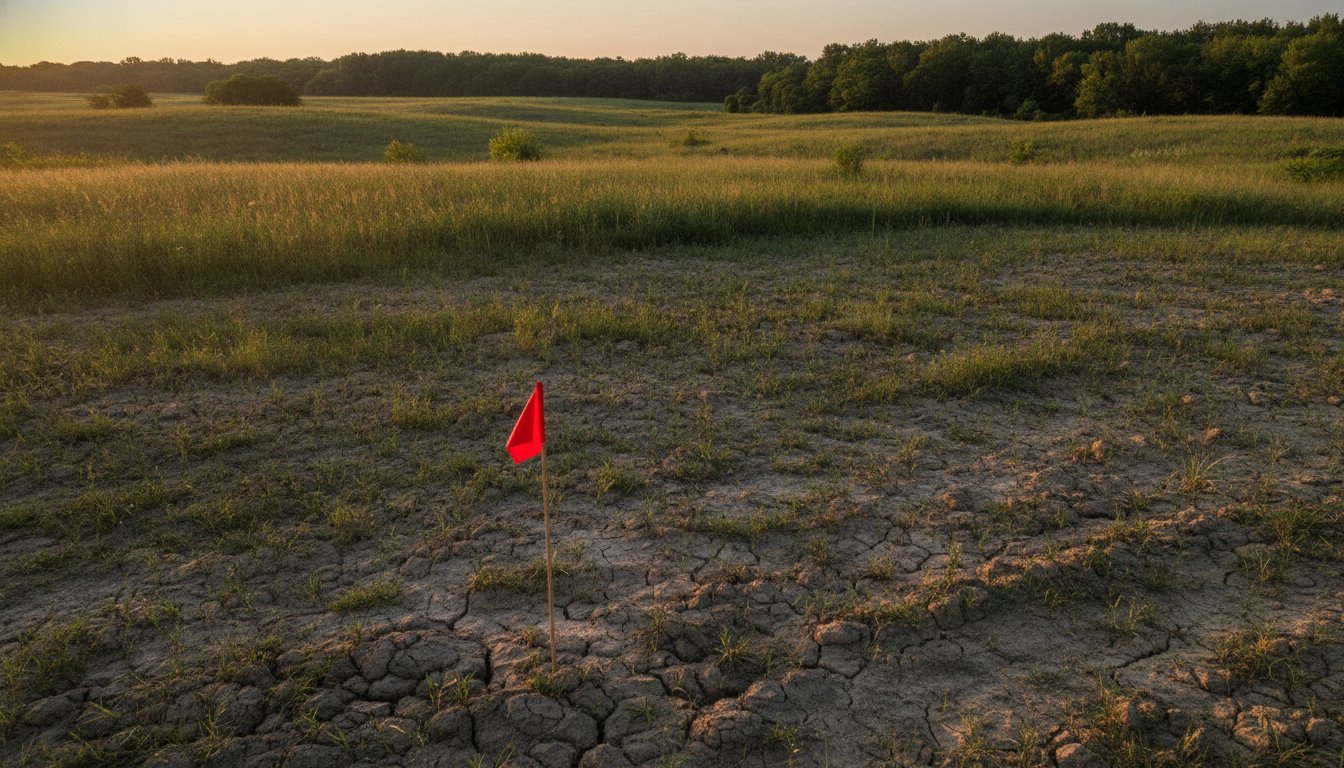
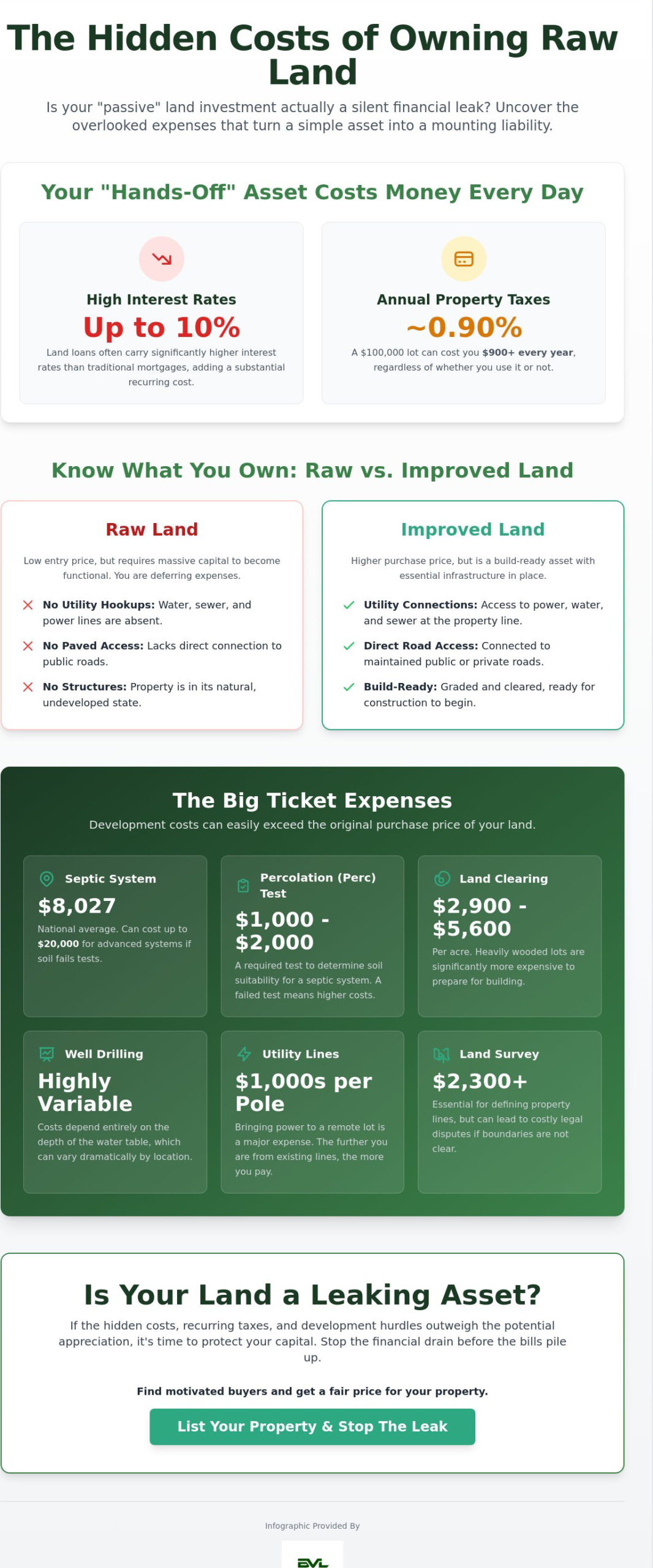
What if your “passive” land investment is actually a silent financial leak? Most investors buy vacant land because it seems low-maintenance. There are no tenants to call at midnight and no buildings to repair. It feels like a safe place to park capital. However, the hidden costs of owning raw land often turn a simple asset into a mounting liability. With interest rates for land loans currently reaching 10% and national property tax averages around 0.90%, your “dirt” is costing you money every single day.
You likely believe that holding land is a hands-off strategy. You’re waiting for the right moment to build or sell. This guide uncovers the overlooked expenses of land ownership so you can protect your investment or sell before costs pile up. We provide a clear checklist of potential expenses, from $2,300 land surveys to $8,000 septic installations. You’ll understand the financial gap between raw and developed lots and find a fast way to exit the investment if the bills become a burden.
Key Takeaways
- Learn why the low entry price of undeveloped property often masks the true financial burden of ownership.
- Identify the high-ticket infrastructure expenses like septic systems and utility lines that define the hidden costs of owning raw land.
- Calculate the impact of recurring property taxes and POA fees that drain your capital even when you aren’t building.
- Understand how zoning shifts and survey requirements can halt your development plans or lead to costly legal disputes.
- Discover how to stop the financial leak by listing your property on a specialized marketplace to reach motivated buyers.
What is Raw Land and Why Does it Have Hidden Costs?
Raw land is property in its most natural state. It has no utility hookups. It has no structures. It lacks paved road access. Many investors buy these parcels because the entry price is low. This is a common trap. A low purchase price does not equal a low cost of ownership. In reality, the hidden costs of owning raw land begin the day you close the deal.
Ownership creates immediate obligations. You are responsible for property taxes. You are responsible for local ordinance compliance. You must manage the land to avoid fines. If the parcel was previously used for industry, you may even need environmental assessments on brownfield sites to identify contamination. These costs add up quickly. Without a clear development or exit strategy, your dirt becomes a financial leak.
The Difference Between Raw and Improved Land
Improved lots are build-ready assets. They feature utility connections at the property line. They have direct access to public roads. You pay a premium for this convenience. Raw land is the opposite. It requires massive capital to reach a functional state. You must pay for every pole, pipe, and permit yourself.
Understand a simple rule of real estate. Cheap land often carries the highest development price tag. If a lot is priced significantly below market value, it usually lacks the infrastructure needed to be useful. You aren’t saving money. You are deferring expenses. The cost to bring a remote lot up to modern standards can easily exceed the original purchase price.
Why Your “Passive” Investment Might Be Draining Cash
Many people call vacant land a passive investment. This is a mistake. Land is an active financial commitment. Taxes accrue every single year regardless of your usage. If you don’t pay, the government will seize the asset. National averages for property taxes sit around 0.90%, which means a $100,000 lot costs you $900 annually just to exist.
Site Development and Infrastructure: The Big Ticket Expenses
Infrastructure turns a parcel into a property. It’s also where most budgets fail. You must conduct extensive due diligence before signing a contract. Bringing power to a remote lot can cost thousands of dollars per utility pole. If the nearest line is half a mile away, your utility bill starts before you turn on a single light. These logistical hurdles are primary drivers of the hidden costs of owning raw land.
The Cost of Water and Waste Management
You can’t build without a plan for water and waste. Most rural lots require a septic system. As of March 2026, the national average for installation is $8,027. This price fluctuates based on soil quality. You must pay for a percolation (perc) test first. These tests typically cost between $1,000 and $2,000. If the soil fails, you might need an aerobic system. Those can cost up to $20,000. Soil conditions dictate your budget. You don’t get to choose the cheaper option.
Well drilling is equally unpredictable. Costs depend entirely on the depth of the water table. A well in one county might be 100 feet deep while a neighboring lot requires 500 feet. Municipal water connections aren’t always cheaper. Tap-on fees in semi-rural areas often reach five figures. You need to verify these costs with local utility providers before you commit to the purchase.
Clearing the Path: Site Preparation
You cannot build on a forest. Land clearing averages $2,900 for a standard lot. However, heavily wooded acreage can cost up to $5,600 per acre as of late 2025. You also need to grade the land. Proper grading ensures drainage and prevents erosion. If you ignore this, you risk legal disputes with neighbors over runoff. Site prep is labor-intensive. It requires heavy machinery and experienced operators.
Don’t forget the driveway. A simple dirt path won’t support construction equipment. You need a gravel base and often a culvert to manage roadside ditches. Permits for these access points add layers of bureaucracy. If these expenses exceed your budget, it’s better to list your property and move on to a more developed lot. Site development is a capital-intensive process. Every tree removed and every foot of pipe laid takes a bite out of your potential profit. Efficiency in the planning stage is your only protection against a total loss.
Recurring Annual Expenses You Cannot Ignore
Buying land isn’t a one-time expense. It is a subscription to your local government and community. These ongoing obligations represent the most persistent hidden costs of owning raw land. You must budget for these outflows every month. If you don’t, your equity will vanish before you ever break ground.
Property taxes are your primary recurring burden. As of April 2026, the national average effective property tax rate is approximately 0.90%. On a $200,000 parcel, you’ll pay $1,800 annually just for the right to own the dirt. Rates vary wildly by state. New Jersey investors face rates as high as 2.23%, while Hawaii remains low at 0.32%. Check your local assessor’s office before you buy. High-tax jurisdictions can turn a profitable holding into a financial anchor.
Property Owners Association (POA) fees add another layer of cost. These are common in planned communities or rural subdivisions. Unlike a standard HOA, a POA often manages larger infrastructure like private roads or community gates. You must pay these fees even if your lot is empty. They are legally binding. Failure to pay can result in a lien against your property, preventing any future sale or development.
Tax Obligations and Agricultural Exemptions
Unimproved land is taxed differently than residential property. Most states offer lower rates for vacant acreage, but the rules are strict. Failing to pay these bills leads to a tax lien. Eventually, the county will foreclose. You can lose your entire investment over a few thousand dollars in unpaid taxes. Protect yourself by researching agricultural or timber exemptions. If your land is large enough, you might qualify for a “Greenbelt” status. This can slash your tax bill by 50% or more. You must apply for these breaks; the county will not offer them automatically.
Maintenance and Security Costs
Empty acreage is a magnet for trouble. Illegal dumping is a frequent issue for remote owners. People often use vacant lots to dispose of tires, appliances, or hazardous chemicals. You are responsible for the cleanup costs. Local code enforcement will fine you if the mess isn’t cleared. You also face fire mitigation requirements. Many counties mandate routine brush clearing to prevent wildfires. This requires hiring a local contractor with a brush hog or mower.
Security is your final recurring cost. Liability insurance is mandatory. If a trespasser or hunter gets injured on your land, you are the target of the lawsuit. You should also invest in fencing and clear signage. These tools prevent adverse possession, where a neighbor might legally claim your land after years of unchallenged use. Maintenance is not optional. It is a necessary expense to defend your property’s value.
Zoning, Legal Fees, and Regulatory Compliance
Red tape is expensive. Regulations change constantly. These legal hurdles represent significant hidden costs of owning raw land. You cannot rely on old information. In 2026, many municipalities are updating codes to allow for higher density and Accessory Dwelling Units (ADUs). While this might increase value, the process of verifying your specific rights costs time and money. You must engage with local planning departments early. If you don’t, you risk purchasing a parcel you can never use as intended.
The Necessity of a Professional Land Survey
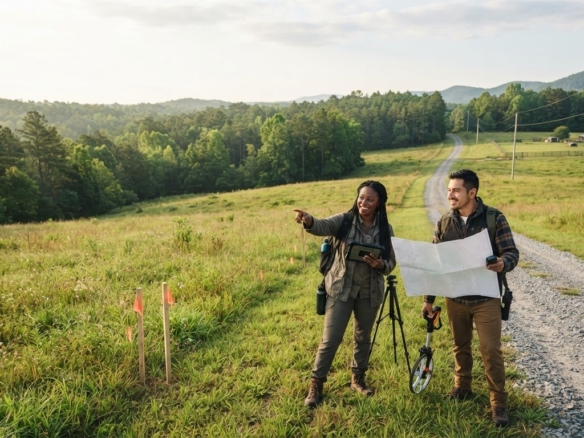
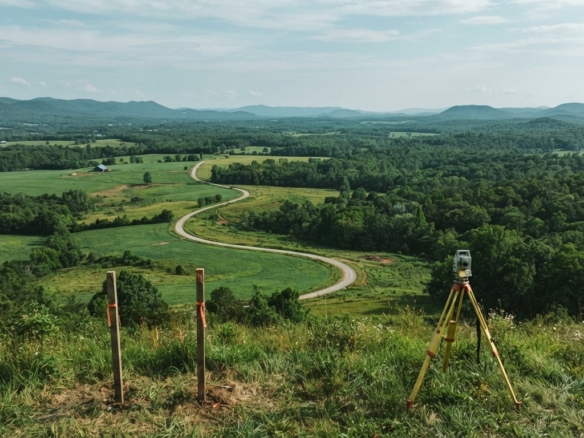
A handshake deal doesn’t hold up in court. You need a professional survey to establish legal boundaries. As of April 2026, a land survey costs between $475 and $25,000. The national average sits at $2,300. If you own a single acre, expect to pay at least $1,500. This is not an optional expense. Boundary surveys prevent encroachment disputes with neighbors. Topographical surveys are also required for any serious building plans. Ensure your surveyor records the results with the county. This protects your title and simplifies any future sale.
Understanding Land Use Restrictions
Zoning dictates your property’s future. It can change without your consent. A parcel zoned for a single-family home today could face new environmental restrictions tomorrow. For example, New Jersey’s “REAL” rules adopted in January 2026 now require specific elevations to mitigate flood risk. Environmental assessments are also common for protected species or wetlands. These designations can shrink your buildable area by half. If you find a rare plant or a protected bird on your acreage, development stops. You still pay taxes on land you can’t use.
You must also check for easements. These grant utility companies or neighbors the right to cross your private property. An unexpected easement can prevent you from building a fence or a driveway where you planned. Legal fees for a standard closing range from $500 to $1,500. Complex zoning issues or title disputes will drive these costs much higher. Don’t let regulatory shifts trap your capital. If the legal requirements for your lot are becoming too complex, it is time to exit. You can list your vacant land today to find a buyer who is ready to take on the development process. Stop fighting the bureaucracy and move your money into a more liquid asset.
How to Sell Your Land and Stop the Financial Drain
Holding a losing asset is not an investment. It’s a mistake. If your property’s annual appreciation doesn’t outpace the hidden costs of owning raw land, you are losing money every day. You have already seen how property taxes, POA fees, and maintenance requirements eat into your capital. These expenses don’t stop. They accrue while you wait for a buyer. The most pragmatic move is to exit the position before the next tax bill arrives. Selling now preserves your remaining equity and frees up cash for more productive ventures.
Traditional real estate agents often struggle with vacant lots. They prefer houses because the commissions are higher and the sales process is standardized. If you list with a general agent, your property might sit on the market for months. You will continue to pay for insurance and weed control while the listing grows stale. Selling the land yourself eliminates these high commission fees. It puts you in direct control of the transaction speed. Every week you shave off the closing process is money back in your pocket.
Why a Specialized Marketplace Matters
General real estate websites are designed for homebuyers. They bury vacant land listings under thousands of house searches. This makes it difficult for motivated investors to find your lot. You need a platform that speaks the language of land. BuyVacantLand.com connects you directly with a targeted audience looking for cheap land for sale. These buyers aren’t looking for kitchens or bathrooms; they are looking for acreage, soil quality, and investment potential.
Specialized platforms understand the unique value of undeveloped vacant land. We provide the tools you need to highlight the specific features that land buyers crave. This includes details on road access, utility proximity, and zoning classifications. By reaching a national pool of land-specific buyers, you increase the likelihood of a fast, equitable financial proposal. Don’t let your listing get lost in a sea of suburban homes. Put it where the land investors are.
Take Action: List Your Land Today
Stop paying for an asset you aren’t using. Convert your dirt into cash. The process is simple and transparent. You don’t need to navigate complex procedural hurdles or pay hidden service fees. By listing your property on a specialized marketplace, you get your lot in front of national buyers immediately. This creates the momentum you need to close the deal quickly.
The math is simple. A faster sale means fewer tax payments. It means no more liability insurance premiums. It means an end to the maintenance headaches. You have identified the burden. Now, follow the path to completion. Ready to move on? List your vacant land for sale with us and stop the hidden costs. Take back your time and your capital today.
Take Control of Your Land Investment
You now understand the hard financial reality of undeveloped property. Raw land is not a “set it and forget it” asset. Infrastructure gaps, rising property taxes, and shifting zoning laws create a constant drain on your capital. These hidden costs of owning raw land can quickly turn a potential profit into a mounting liability. Every month you wait is another month of outgoing expenses with no guaranteed return.
Don’t wait for another tax bill or an unexpected maintenance fine. You have the power to stop the leak right now. Our platform is exclusively focused on vacant land listings. We provide a national reach to thousands of motivated land buyers. There are no hidden service fees for listing your property. It’s the most efficient way to reach people who actually want to buy what you own.
It’s time to act and protect your equity. List your vacant land for sale on our marketplace and convert your property into liquid cash. Move your money into assets that work for you instead of against you. You deserve the peace of mind that comes from a clean, swift transaction.
Frequently Asked Questions
Are property taxes lower on vacant land than on a house?
Property taxes are generally lower on vacant land because the assessed value is lower without a building. However, the tax rate applied to that value remains the same. You pay for the land itself. If you don’t build, you avoid the high tax bills associated with luxury improvements. Always check local rates to avoid the hidden costs of owning raw land in high-tax states like New Jersey.
Do I need insurance for a piece of empty land?
You absolutely need liability insurance for empty land. You are legally responsible for any injuries that occur on your property. This includes accidents involving trespassers or hunters. Without a policy, a single lawsuit could wipe out your entire investment. Insurance protects your capital from legal claims. It provides peace of mind while your asset sits idle. It is a small annual price for total asset protection.
What is a perc test and why is it a hidden cost?
A perc test measures how quickly water drains through your soil. It is a hidden cost because you must pay for it before you can even apply for a building permit. As of early 2026, these tests cost between $1,000 and $2,000. If your soil fails the test, you cannot install a standard septic system. This forced upgrade can add $10,000 or more to your development budget.
Can I lose my land if I do not pay the annual taxes?
You will lose your land if you fail to pay property taxes. Local governments place a tax lien on the property after a period of non-payment. If the debt remains unpaid, the county will eventually sell the land at a tax auction. This process is final. You lose your equity and your ownership rights. Always prioritize tax payments to defend your investment from government foreclosure.
How much does it cost to clear a wooded lot for building?
Clearing a heavily wooded lot typically costs between $3,300 and $5,600 per acre as of late 2025. Lightly forested areas are cheaper, ranging from $580 to $2,100 per acre. These prices cover tree removal and stump grinding. You must also budget for debris disposal and initial grading. Site preparation is a major expense that many first-time land buyers overlook during the purchase phase.
What happens if there are wetlands on my vacant land?
Wetlands on your property trigger strict federal and state regulations. You may be prohibited from building on or near these areas. You will likely need an environmental assessment to determine the exact boundaries of the protected zone. This often reduces the buildable footprint of your lot significantly. Wetlands can turn a large parcel into a small, unusable strip of dry ground. Always verify wetland status before you close.
Is it hard to sell raw land compared to a house?
Selling raw land is often more difficult than selling a house. The buyer pool is smaller because most people want a move-in ready home. You are selling a vision rather than a structure. Financing is also harder for buyers to obtain, which limits your options. Using a specialized marketplace is the best way to reach motivated land investors and speed up the transaction. It cuts through the traditional hurdles.
What is the most expensive hidden cost of land ownership?
Infrastructure is usually the most expensive of the hidden costs of owning raw land. Bringing electricity and water to a remote lot can cost tens of thousands of dollars. If you have to build a private road or install an advanced septic system, the bills mount quickly. These site development expenses often exceed the original purchase price of the land. Accurate budgeting is your only defense against these capital-intensive requirements.


Join The Discussion