

The cheapest acre on the market is a liability if it lacks water rights or carries restrictive covenants. You want land for homesteading for sale to gain independence, not to buy a legal headache. It’s exhausting to filter through listings that hide critical flaws like poor drainage or zoning bans on livestock. You need a reliable way to find a plot that actually supports your goals.
We recognize the challenge of securing property in a market where 2025 farmland values averaged $4,350 per acre. This guide provides a direct path to identify, evaluate, and secure a self-sufficient homestead. You’ll learn how to verify water access, understand 2026 interest rates like the 5.75% USDA direct loan, and find owner-financed terms that bypass traditional banking hurdles. We’ve simplified the complex search process into a clear, numbered sequence. This allows you to cut through the noise and find a transparent, equitable proposal for your future farm without the burden of unnecessary service fees.
Key Takeaways
- Master the “Big Three” criteria: zoning, water, and soil, to guarantee your property supports a self-sufficient lifestyle.
- Secure raw land using owner-financed terms to bypass strict bank requirements and complex financing.
- Execute a simplified digital due diligence sequence to verify legal access and soil quality before you buy.
- Utilize specialized marketplace filters to find land for homesteading for sale that meets your specific off-grid needs.
What is Homesteading Land and Why Buy in 2026?
Homesteading land is raw property capable of supporting life through agriculture and resource management. It’s distinct from standard residential lots because it requires specific attributes like fertile soil, drainage, and reliable water sources. Finding land for homesteading for sale in 2026 means looking for a plot that allows you to produce what you consume. Traditional residential parcels often come with HOA fees and restrictive codes that ban livestock or off-grid solar arrays. Commercial property is priced for profit margins, not personal sustainability. Raw, undeveloped land remains the most cost-effective way to secure your future. It’s a pragmatic asset that provides security when supply chains fail.
The Core Philosophy of the 2026 Homesteader
Self-reliance is the primary driver for today’s land buyers. They want to escape the urban grind and secure their own food sources. Raw land provides the creative freedom to build exactly what you need without paying for someone else’s outdated structures. To understand What is Homesteading in 2026, you must view it as a spectrum. It ranges from small hobby farms to total off-grid living. This path eliminates the stress of maintaining an old, poorly insulated house. You build for the future from day one.
Market Trends for Vacant Land in the United States
Rural land is the most accessible entry point for real estate. Data from May 2026 shows the average value of U.S. farmland reached $4,350 per acre in 2025. Cropland values hit $5,830 per acre. Remote work continues to drive demand as professionals trade city apartments for acreage with satellite internet. Unrestricted parcels are becoming rare. You must act quickly to secure land that lacks restrictive covenants. Waiting only increases the cost of entry and narrows your options for true independence.
Investing in raw land now offers significant financial advantages. Pastureland remains more affordable at an average of $1,920 per acre, according to 2025 USDA data. These prices represent a steady 4.3% increase over the previous year, showing consistent equity growth. If you utilize a direct USDA Farm Ownership loan, the 2026 interest rate is 5.75%. This makes land for homesteading for sale a viable financial move for those ready to exit the rental cycle and build equity in a tangible asset. By securing your plot today, you lock in your costs before further market appreciation occurs.
Essential Criteria for Homestead-Ready Vacant Land
Finding the right land for homesteading for sale requires looking beyond the price tag. You must evaluate the “Big Three”: Zoning, Water, and Soil. These factors determine if your property is a productive asset or a financial drain. Unrestricted land is the gold standard for homesteaders. It allows you to build, farm, and live without interference from Homeowners Associations (HOAs) or municipal overreach. You want a plot that serves your goals, not one that limits them with red tape.
Zoning and Restrictive Covenants
Agricultural zoning is mandatory if you plan to raise livestock. Residential zoning often prohibits even small animals like chickens or goats. Avoid the “HOA trap” by reviewing the deed for Covenants, Conditions, and Restrictions (CC&Rs) before you commit. These documents can ban everything from clotheslines to solar panels. If you plan on alternative structures like tiny homes, check local building codes first. Many rural counties have minimum square footage requirements that can derail an off-grid project. You can find off-grid land listings that specifically cater to these flexible needs.
Water Access and Rights
Water is your most critical resource for survival and production. City water is rare on rural plots, making wells or water hauling the standard. Drilling a well is a significant investment. In the Western U.S., you must verify water rights; owning the land does not guarantee access to the water beneath it. Prospective owners should consult USDA Farm Loan Assistance to understand how infrastructure like irrigation can be funded. Riparian rights grant a landowner the legal authority to use water from a natural source that borders their property.
Soil Quality and Topography
A perc test is non-negotiable for waste management. If the soil fails to drain, you cannot install a traditional septic system, making the land legally uninhabitable. Use USDA soil maps to verify crop viability and drainage patterns. Topography also dictates your workload. Flat land is ideal for large-scale gardening and livestock grazing. Sloped land offers better drainage and views, but it increases the cost of building foundations and access roads. Aim for a balance that provides a high building site and fertile, low-lying garden space.
Legal access is the final hurdle. Never buy landlocked property based on a verbal agreement. Ensure the plot has direct road frontage or a recorded legal easement. A “handshake deal” with a neighbor for a driveway will fail during a title search or when that neighbor sells their property. Secure your access in writing to protect your investment long-term.
Financing Your Homestead: Owner Financing vs. Cash
Traditional banks rarely lend on raw, undeveloped land. They view it as a high-risk asset because there’s no structure to serve as immediate collateral. Most conventional lenders require a down payment of 20% to 50% and charge interest rates significantly higher than standard mortgages. If you’re searching for land for homesteading for sale, relying on a big bank often leads to rejection or months of delays. You need a faster, more reliable path to ownership.
Owner financing, also known as seller-carry, is the solution. In this arrangement, the property owner acts as the bank. You make an initial down payment and pay monthly installments directly to the seller until the balance is clear. This method removes the institutional hurdles that stop most buyers. It provides a straightforward, equitable financial proposal that gets you onto your land immediately. For a deep dive into this process, consult our owner financed land guide.
The Advantages of Seller Financing
Speed is the primary benefit of seller financing. You can often close a deal in days rather than months. There are typically no credit check requirements. This makes it accessible to those with non-traditional income or past financial hurdles. Terms are flexible. You negotiate the interest rate, payment schedule, and duration directly with the seller. This simplicity alleviates the stress of asset ownership and allows you to focus on your homesteading goals. It’s a pragmatic choice for anyone looking to secure their plot quickly.
Budgeting for Development Costs
The purchase price of the land is only your first step. You must budget for the essential infrastructure required to make the property habitable. Hidden costs often include land clearing, installing a driveway, drilling a well, and setting up a septic system. These expenses can quickly equal or exceed the cost of the land itself. While cheap land for sale offers a low entry point, these parcels often require more intensive development work. Plan your liquid capital accordingly to ensure you don’t run out of funds before your cabin is built.
The “Buy Cheap” strategy works best for those with limited liquid capital but plenty of sweat equity. By purchasing raw, undeveloped land at a lower price point, you preserve your cash for these critical development phases. This approach allows you to build your homestead in stages without the burden of a massive bank loan. It’s a calculated, no-nonsense way to achieve independence on your own terms.

Step-by-Step: How to Verify Land Suitability
Verification is the difference between a productive asset and a financial disaster. Don’t rely solely on a seller’s description. You need a systematic approach to confirm that the land for homesteading for sale is actually usable for your specific goals. This process protects your capital and ensures your future independence. Follow this simplified sequence to vet any potential plot before you sign a contract.
Desktop Due Diligence
Start your research from home using digital tools. Google Earth and FEMA flood maps reveal topography and drainage issues that photos might hide. Locate the Parcel ID or APN in the listing. Use this number to search the county assessor’s website. This confirms the legal owner and reveals any outstanding liens or back taxes. You should also check satellite imagery for nearby industrial plants, landfills, or high-traffic zones. These nuisances destroy the peace of a homestead and lower your property’s long-term value. You can find vetted property details on BuyVacantLand.com to streamline this initial research phase.
The Site Visit Checklist
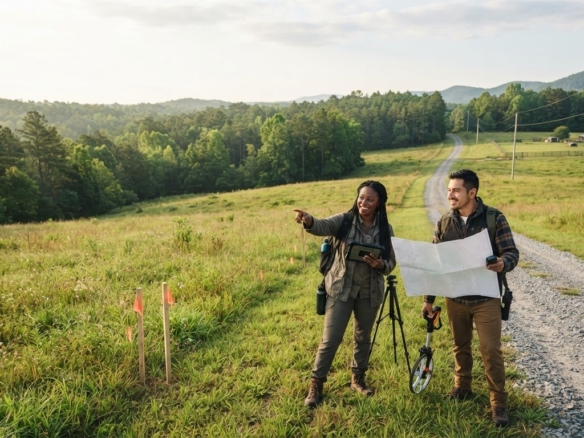
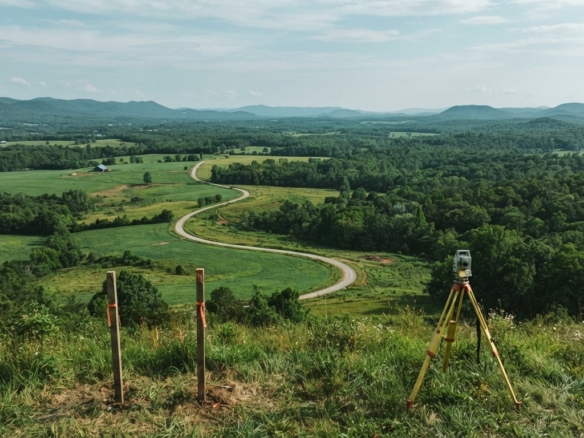
A physical site visit is mandatory. Walk the entire boundary of the property. Look for standing water or swampy patches that digital maps might have missed. Note large rock outcroppings that could prevent you from digging a foundation or a well. Check for physical boundary markers like survey stakes or old fence lines. Evaluating the neighborhood is just as important as the land itself. You need to feel comfortable with the local atmosphere for long-term living. Talk to the neighbors to gather local intelligence on water table depth, soil performance, and any hidden issues with the area.
The final step involves direct communication with local authorities. Call the county planning and zoning department. Ask specifically about your plans for livestock, septic systems, or off-grid solar arrays. They will confirm if the current zoning allows your specific homesteading goals without a special permit. Verify legal access one last time. If the property doesn’t touch a public road, ensure there’s a recorded easement in the public record. Finally, close the transaction through a reputable title company or real estate attorney. They provide title insurance and ensure the deed transfer is legal, permanent, and free of surprises.
- Confirm the owner’s identity via county records.
- Check for recorded easements to guarantee legal access.
- Verify the property isn’t in a restrictive flood zone.
- Walk the land to identify physical building obstacles.
Finding Your Perfect Homestead on BuyVacantLand.com
Finding the right land for homesteading for sale is a logistical challenge on generic real estate sites. Most platforms prioritize suburban homes and commercial developments. BuyVacantLand.com is different. We are a specialized marketplace where owners and sellers list empty parcels specifically for those seeking independence. This platform cuts through the noise of the traditional housing market. It connects you directly with sellers who understand the value of raw, undeveloped land. You get clear information without the fluff of a standard residential listing.
Our search interface is designed for the pragmatic buyer. You can filter properties by “off-grid,” “farms,” or “owner financed” status. This allows you to skip the thousands of listings that don’t fit your homesteading criteria. If you need a plot that supports livestock or requires bank-free terms, these filters deliver results in seconds. You won’t waste time calling agents who don’t know the soil quality or water rights of a rural lot. Every listing on our site is focused on the land itself and its potential for self-sufficiency.
Why a Specialized Marketplace Matters
General real estate websites are cluttered with houses, rentals, and condos. This makes it difficult to find land for homesteading for sale that isn’t part of a restrictive subdivision. We don’t list homes or rental properties. Our focus is 100% on vacant land across the United States. This specialization ensures that the discovery process is streamlined for the 2026 homesteader. You get a direct connection to land owners who are ready to sell. This transparency leads to faster transactions and more equitable financial proposals for raw acreage.
Take the Next Step Toward Self-Sufficiency
Securing your future requires decisive action. The listing and buying process on BuyVacantLand.com is built for speed and ease of use. We’ve removed the traditional procedural hurdles that complicate rural real estate deals. You can browse, evaluate, and contact sellers all in one place. Market data from May 2026 confirms that rural land values rose by 4.3% in the previous year. Waiting only makes your entry point more expensive as high-quality parcels become rarer. The best time to buy land was yesterday; the second best time is today. Use our platform to find your plot and start building your self-sufficient life now. Browse land for homesteading for sale now.
- Filter by “Off-Grid Land” to find properties suited for solar and well water.
- Select “Farms and Ranches” for land with high agricultural potential.
- Use the “Owner Financed” filter to secure land without a bank loan.
- Connect directly with sellers to close your deal in days, not months.
Secure Your Independence Today
You now have the framework to identify and secure a productive asset. Prioritize the “Big Three” of zoning, water, and soil quality to ensure your property supports long-term growth. Use owner financing to bypass the hurdles of traditional banks and close your deal in days. These steps protect your capital and ensure your homestead is viable from day one. Finding land for homesteading for sale requires a specialized approach that filters out the noise of the traditional housing market.
BuyVacantLand.com is the premier marketplace for raw land only. We offer direct-to-seller listings with national coverage across the United States. Our platform removes the stress of asset ownership by providing a simple, equitable path to purchase. You can skip the irrelevant residential listings and focus entirely on undeveloped parcels. This streamlined discovery process is the most efficient way to find your plot without unnecessary service fees. Take control of your future and start your search on a platform built for your specific needs.
Browse land for homesteading for sale now. Your journey toward self-sufficiency starts with a single, assured transaction. The right plot is waiting for you.
Frequently Asked Questions
How much land do I really need for a homestead?
A typical self-sufficient homestead requires between two and five acres. This size supports a large garden, small livestock like goats or chickens, and a modest home site. If you plan to raise cattle or maintain a private woodlot for fuel, aim for ten acres or more. Smaller plots are easier to manage but limit your long-term expansion options for larger animals.
Is it legal to live in a camper on my own land?
Legality depends entirely on local county ordinances and specific zoning laws. Many jurisdictions permit temporary camper living only while you have an active building permit for a permanent structure. Some rural areas have no restrictions, while others strictly prohibit RVs as permanent dwellings. Always verify these rules with the local planning department before you buy land for homesteading for sale.
How can I tell if land is truly “unrestricted”?
Review the property deed and the Covenants, Conditions, and Restrictions (CC&Rs) to confirm a plot is unrestricted. Unrestricted usually means there are no private rules or Homeowners Associations governing how you use the property. You must still check county zoning, as “unrestricted” refers to the absence of private contracts, not an absence of government building or environmental codes.
Do I need a lawyer to buy vacant land for homesteading?
You aren’t legally required to hire a lawyer in every state, but it’s a pragmatic choice for any buyer. A real estate attorney or a reputable title company ensures the title is clear of liens and the deed is recorded correctly. This step prevents future legal disputes over boundaries and secures your investment against administrative errors or hidden claims from previous owners.
What is the cheapest way to get water on raw land?
Rainwater harvesting is often the most cost-effective method for non-potable water needs like gardening. For drinking water, hauling it in a dedicated tank is the cheapest initial option compared to the high cost of drilling a deep well. Solar-powered pumps can also reduce long-term operational costs if a shallow water source or spring already exists on the property.
Can I get a loan for homesteading land with no buildings?
You can secure financing for raw land, but it requires a different approach than a standard home mortgage. Traditional banks often demand 20% to 50% down for unimproved parcels because they lack immediate collateral. Specialized programs like USDA farm loans or owner-financing options on land for homesteading for sale provide more accessible paths for buyers with limited liquid capital.
What should I look for in a perc test?
A successful perc test confirms the soil can absorb liquid at the specific rate required for a septic system. Look for a “passing” result that specifies the type of system allowed, such as a conventional gravity drain field or a more expensive mound system. If the land fails this test, you cannot legally install a standard septic tank, making the property difficult to develop.
How do I find out if land has mineral rights included?
Conduct a professional title search at the county recorder’s office to verify the status of mineral rights. These rights are often “severed” from the surface rights and sold separately decades ago to mining or energy companies. The title report will list any previous reservations or transfers of oil, gas, or mineral interests that belong to third parties instead of the landowner.


Join The Discussion