

The traditional commercial real estate broker is no longer the gatekeeper to your next high-yield investment. In 2026, savvy investors are walking away from the 6% commission hit and the gatekept listings that never reach the public. You already know that every dollar paid to a middleman is a dollar taken from your project’s bottom line. Finding commercial land for sale by owner has shifted from a niche tactic to a primary strategy for those who value speed, transparency, and total control.
We promise to show you exactly how to master this direct-to-owner market to secure true off-market value. You will learn to bypass industry hurdles, negotiate directly with the decision-maker, and secure prime commercial lots with zero broker fees. This guide provides a clear roadmap through the 2026 regulatory environment, including the latest FinCEN reporting rules effective March 1, 2026, and current SBA 504 rates starting at 5.88%. We break down the complex due diligence process into a simplified sequence so you can close your next deal with total confidence and speed.
Key Takeaways
- Eliminate 5-10% broker commissions by negotiating directly with property owners. Save money and increase your investment margins instantly.
- Master the due diligence process by verifying zoning classifications and identifying restrictive easements before you sign. Avoid costly development delays.
- Secure your deal using owner financing to bypass strict bank lending requirements for commercial land for sale by owner. Gain the flexibility traditional lenders won’t offer.
- Perform a professional-grade market evaluation using comparable sales data to ensure you pay below-market value. Take control of the negotiation with hard data.
- Access a national marketplace of commercial vacant lots and connect directly with sellers on BuyVacantLand.com. Streamline your search and close deals faster.
The Advantages of Buying Commercial Land for Sale by Owner
A For Sale By Owner (FSBO) transaction in the commercial sector is a direct deal between the buyer and the seller. It removes the intermediary. This isn’t just about saving money; it’s about efficiency. Traditional brokers often prioritize their commission over the deal’s logic. Direct transactions prioritize the asset itself. When you seek out commercial land for sale by owner, you are cutting through the noise of the institutional market.
Direct lines of communication lead to faster decision-making. You don’t wait days for a broker to relay a question about utility hookups or site access. You get answers from the person who actually owns the deed. This speed is critical in a competitive 2026 market where transaction volume is expected to increase by 16%. Speed often beats a higher price in the eyes of a motivated seller.
Accessing off-market opportunities is the ultimate competitive edge. Most major broker sites are where deals go to get bid up. Buying direct gives you access to inventory that hasn’t been picked over by every developer in the state. These parcels are often hidden in plain sight, waiting for a buyer who knows how to approach an owner directly.
Why Sellers Choose the FSBO Route
Pragmatic sellers have one clear goal: maximize net profit. They realize that paying a massive commission doesn’t add value to their land. These sellers prefer a clean contract over institutional delays. They value their time. They want a simple, efficient transaction that moves at the speed of business. You will find that these sellers are often more flexible with their terms. They might offer creative structures because they don’t have a broker pressuring them for a quick, all-cash payout to satisfy a commission requirement.
How FSBO Benefits the Commercial Investor
Lower entry costs are the primary win. You enter the deal with more equity from day one. You also gain a deeper understanding of the property’s history. The owner knows the soil issues and the city council’s quirks better than any third party. This direct access allows you to find cheap land for sale before it hits the open market and triggers a bidding war. It’s about securing the best possible basis for your commercial project without the unnecessary overhead.
Commercial Due Diligence: Navigating Zoning and Regulations
Due diligence is the most critical phase of any direct transaction. When you analyze commercial land for sale by owner, you act as your own project manager. You must verify zoning classifications like Retail, Industrial, or Office directly with the local planning department. Never trust a verbal assurance from a seller. Check for deed restrictions or private covenants that might limit your building height or parking ratios. These details dictate your return on investment. You can search available commercial lots to compare how different parcels handle these regulatory requirements.
Environmental liability can bankrupt an investor. A Phase I Environmental Site Assessment (ESA) is your primary shield. This study uncovers historical contamination from previous owners or adjacent properties. Adhering to the EPA’s All Appropriate Inquiries rule allows you to qualify for CERCLA liability protections. It’s a mandatory step for securing commercial financing and ensuring future resale value. If the land was ever used for industrial purposes, this assessment is non-negotiable.
Infrastructure determines the true cost of the land. Assess utility access immediately. High-speed fiber-optic availability is a requirement for 2026 industrial and office developments. If sewer and water lines aren’t at the property line, your development costs will skyrocket. Beyond utilities, check for any new federal rules. For example, FinCEN reporting requirements effective March 1, 2026, now apply to certain non-financed land transactions involving LLCs or trusts. Staying compliant keeps your transaction moving toward a fast closing.
Zoning and Permitting 101
Municipal zoning maps are public records. Access them online or at city hall to identify the parcel’s current designation. Look for the ‘Highest and Best Use’ to see if the land’s potential matches its price. In California, new laws like SB 79, effective July 1, 2026, allow for multifamily housing on commercial parcels near transit stops. If your project doesn’t fit the code, you’ll need a zoning variance or a conditional use permit. This process involves public hearings; plan for these delays in your timeline.
Infrastructure and Access Requirements
Confirm legal ingress and egress for your specific vehicle types. Logistics hubs require wider turn radii and heavy-duty pavement. Frontage and visibility drive retail foot traffic and brand awareness. Beyond the road, evaluate soil stability and drainage. Use the reinstated 100% bonus depreciation for assets acquired after January 19, 2025, to offset these early site preparation costs. High-quality site assessments prevent expensive surprises during the build phase. Ensure the land can handle the physical demands of your specific commercial use.
Financing Strategies for FSBO Commercial Land
Traditional banks view undeveloped commercial land as high-risk. There’s no existing building to serve as collateral and no tenant to pay the mortgage. This lack of immediate cash flow makes institutional lenders hesitate. When you find commercial land for sale by owner, you must be prepared for this friction. You need a financing strategy that moves as fast as the deal itself. Institutional delays can kill a direct transaction, so having your capital stack ready is essential.
One of the most effective tools in the 2026 market is owner financed land. In this scenario, the seller acts as the bank. You skip the months of underwriting and the intrusive credit audits. It’s a direct agreement that keeps the transaction moving. If you need even more speed, private money lenders are your next best option. They focus on the asset’s value rather than your personal debt-to-income ratio. They charge higher rates, but they close in days. This speed allows you to secure prime lots before competitors can even get a loan officer on the phone.
To start the process, use a Letter of Intent (LOI). This document outlines your price, down payment, and closing timeline. It isn’t a final contract; it’s a signal of intent. Direct sellers appreciate the clarity of an LOI because it shows you’ve done your homework. It sets the stage for a professional negotiation without the interference of a third-party broker. Keep your LOI short and focused on the primary terms to maintain momentum.
The Perks of Owner Financing
Owner financing offers flexibility that banks simply can’t match. You can often secure a deal with a down payment between 5% and 20%, whereas banks might demand 35% or more for raw land. Interest rates and balloon payment structures are entirely negotiable. You aren’t tied to the rigid federal funds rate, which held steady between 3.50% and 3.75% in April 2026. You and the seller decide what’s fair. This allows you to preserve your cash for site development and permitting costs.
Traditional Commercial Land Loans
If you choose the traditional route, prepare for lower Loan-to-Value (LTV) ratios. Lenders usually cap land loans at 50% to 65% of the appraised value. You’ll need a robust documentation package. This includes a detailed business plan, a financial pro-forma, and preliminary site plans. As of May 2026, SBA 504 loan rates start at 5.88%, making them a viable option for owner-occupied projects. A professional appraisal is mandatory to confirm the land’s value to the lender, ensuring the loan is backed by a solid asset.
How to Evaluate a Commercial Lot Without a Broker
Evaluating a deal without a broker puts you in the driver’s seat. You must develop a systematic framework to filter out bad deals. Start with a firm grasp on how do you buy land in a market where transaction volume is projected to climb 16% this year. You aren’t just looking at a price tag. You are looking at a basis. When you find commercial land for sale by owner, your evaluation determines your eventual cap rate. In 2026, cap rates are expected to compress by 5 to 15 basis points. This means your entry price and development costs must be precise.
Calculate your potential ROI by subtracting site development costs from the projected end-value. Site prep is expensive. You must account for grading, clearing, and utility extensions. Use the reinstated 100% bonus depreciation to your advantage when modeling these costs. If the math doesn’t work at the asking price, walk away or renegotiate. Direct sellers are often more open to price adjustments when you present them with a hard-data development budget. You can browse national commercial listings to find parcels that fit your specific financial model.
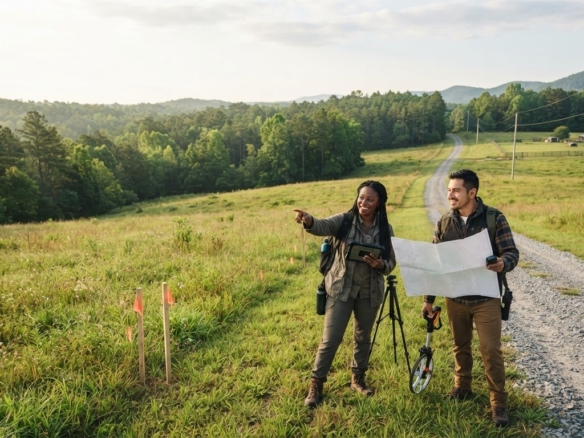
Inspect the physical property immediately. When evaluating commercial land for sale by owner, hidden topographical challenges like steep slopes or rock outcroppings can double your foundation costs. Walk the perimeter. Look for signs of poor drainage or seasonal wetlands. These physical traits aren’t always visible on a satellite map. A direct inspection is the only way to verify the land is buildable for your intended use. Physical due diligence prevents expensive surprises after the closing.
Step 1: Market Analysis and Comps
Find recent sales data for similar commercial parcels within a five-mile radius. Don’t look at active listings; look at closed sales from the last six months. Adjust the price per square foot based on road frontage and utility access. Identify ‘path of progress’ trends by looking at where national retailers are building. If a major logistics hub is moving in nearby, your industrial lot’s value will rise. Track the 2.0% GDP growth forecast for 2026 to see how it impacts your specific sector’s demand.
Step 2: Professional Consultations
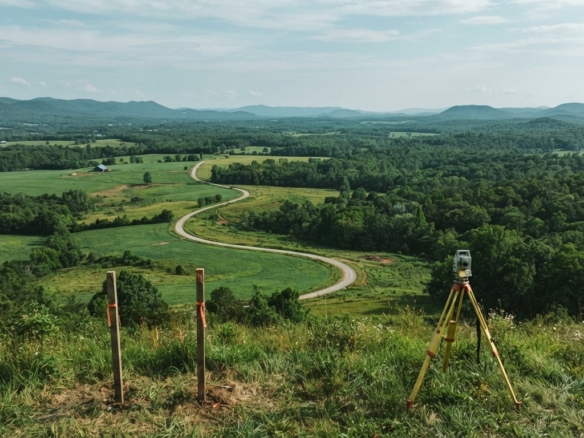
Hire a land surveyor to confirm property boundaries and identify any encroachments. A civil engineer is necessary to assess soil stability and drainage plans for large-scale construction. You don’t need a broker, but you do need a real estate attorney. They will review your FSBO contract to ensure your interests are protected. Finally, consult with local economic development offices. They often provide incentives for new commercial projects that create jobs. These incentives can significantly boost your project’s bottom line without increasing your initial investment.
Secure Your Commercial Investment on BuyVacantLand.com
You have the strategy. You have the tools. Now you need the land. BuyVacantLand.com is the direct path to commercial land for sale by owner. We remove the middleman entirely. You speak directly to the owner. You secure the deal. This is the fastest way to acquire commercial vacant lots before the institutional market catches on or bids up the price. Our platform is designed for speed. It’s built for investors who value their time and their margins. We provide the listings; you provide the vision.
Finding off-market deals requires a specialized tool. General real estate sites are cluttered with residential data and broker-led noise. We cut through that clutter. Our marketplace connects you with sellers who are motivated to close fast. They want a simple transaction. You want an equitable financial proposal. By removing the 5% to 10% broker commission, both parties win. You get a better basis for your project. The seller gets a higher net profit. This is the most efficient way to build a commercial portfolio in 2026.
Why BuyVacantLand.com is Different
Getting Started Today
Take control of your investment future. Start by filtering our national database for commercial use. Look for parcels that match your development criteria. Use our direct messaging system to contact owners immediately. Ask the hard questions about utility access and zoning classifications. Negotiate your terms without a broker filtering the conversation. Secure your next business location on your own timeline. Browse commercial land for sale by owner today and close your next deal with total confidence. The path to a bank-free, broker-free investment starts with a single click.
Take Control of Your Commercial Investment Strategy
You now have the framework to secure high-value assets without the burden of broker fees. Direct investing in 2026 requires a focus on speed and hard data. You’ve learned how to verify zoning, navigate new regulations like the FinCEN reporting rules, and leverage owner financing to bypass restrictive bank standards. Finding commercial land for sale by owner is the most efficient way to maximize your entry equity and ensure a faster path to development. It’s about keeping your capital where it belongs; in your project.
Stop waiting for institutional gatekeepers to grant you access to prime deals. You can find your next opportunity right now on a platform built for your specific needs. BuyVacantLand.com is a specialized land-only marketplace that provides national listing coverage and direct-to-owner communication. It’s the most reliable way to cut through the noise and secure your financial future without unnecessary hurdles. Take the first step toward a more profitable portfolio today.
Find Your Next Commercial Lot on BuyVacantLand.com and start building your legacy. The 2026 market moves fast; make sure you’re the one leading the way.
Frequently Asked Questions
Is it safe to buy commercial land for sale by owner?
Yes, it’s safe if you follow a professional due diligence process. You must hire a real estate attorney to review the purchase agreement and a title company to ensure the deed is clear of liens. Safety in a direct transaction comes from independent verification rather than relying on a middleman’s word. Verify every seller claim through public records and third-party inspections.
What are the common mistakes when buying commercial land FSBO?
The most frequent error is skipping the environmental assessment or failing to confirm utility capacity. Investors often take the seller’s word on zoning without checking the official municipal map. You must verify that the commercial land for sale by owner can actually support your specific build-out. Always account for impact fees and drainage requirements in your initial budget to avoid overpaying.
How do I check the zoning of a commercial lot?
Visit the local municipal planning department or check their website for an interactive zoning map. Identify the parcel by its address or tax ID number to see its current designation. Request a formal zoning verification letter from the city to confirm allowed uses, height limits, and setback requirements. This document provides the legal certainty you need before committing capital to a project.
Can I get a loan for commercial land without a broker?
Yes, you can secure financing directly through local banks, credit unions, or private money lenders. Brokers don’t control access to capital; your financial pro-forma and creditworthiness do. As of May 2026, SBA 504 loan rates start at 5.88% for qualified owner-occupied projects. Present a professional loan package directly to a commercial lender to bypass unnecessary referral fees and institutional delays.
What is a Phase I Environmental Site Assessment and do I need one?
A Phase I ESA is a professional report that identifies potential or existing environmental contamination on a property. You need this report to qualify for federal liability protections and to satisfy lender requirements. It involves a site visit and a review of historical records to ensure you aren’t inheriting a costly cleanup. It’s a mandatory step for protecting your investment from long-term legal risks.
How do I negotiate the price with a commercial land owner?
Negotiate using a detailed development budget and a list of comparable sales. Show the seller exactly how much site preparation and utility extensions will cost. This data-driven approach justifies a lower offer while highlighting the seller’s savings on broker commissions. Use a clear Letter of Intent to outline your terms and keep the conversation focused on a fast, efficient closing.
What closing costs should I expect in a commercial FSBO deal?
Expect to pay for title insurance, escrow fees, recording fees, and professional legal review. You are also responsible for the costs of your own due diligence reports, such as surveys and environmental studies. While you eliminate the 5% to 10% broker commission, these standard transactional costs are necessary to secure commercial land for sale by owner. Budgeting for these early ensures a smooth transition to ownership.
How do I verify who actually owns the commercial land?
Order a preliminary title report from a reputable title company to confirm the legal owner of record. This report will also show any existing mortgages, liens, or easements that could affect your use of the land. You can also cross-reference this information with the local county tax assessor’s database. Never send a down payment until a title company confirms the seller has the legal right to transfer the deed.


Join The Discussion